Trading & Fintech Platforms
Low-latency trading UIs, real-time order book rendering, WebSocket data feeds, and KYC/AML-compliant onboarding flows. We know the performance and regulatory requirements of financial tech.
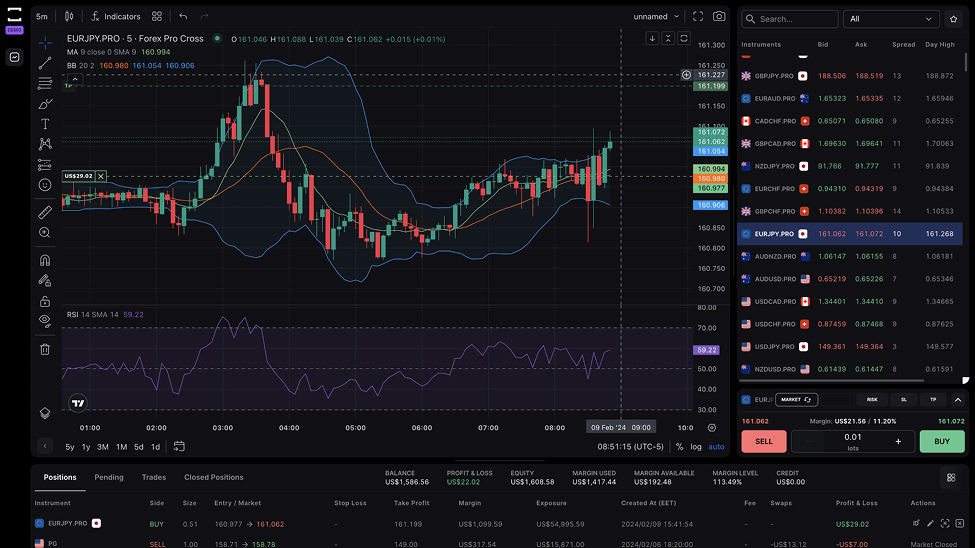
Latency is the core constraint in financial tech. A trading UI that takes 200ms to render an order book update is a broken product. We build real-time interfaces with WebSocket feeds, optimistic UI updates, and rendering pipelines that handle thousands of events per second without dropping frames. We know the KYC/AML requirements, PCI data handling rules, and regulatory reporting obligations that come with building in this space.
What's Included
How We Work
Latency Architecture
WebSocket infrastructure, data normalisation pipeline, and rendering strategy designed for throughput first.
Real-time Build
Order book rendering, optimistic UI updates, and worker-thread message processing implemented to spec.
Load Test & Launch
WebSocket stress tests, latency benchmarks, and staged rollout with real-user monitoring before go-live.
Tech Stack
Work We've Done
From the Blog
Architecting Real-Time Trading UIs: WebSockets, Optimistic Updates, and Latency
When milliseconds matter, every rendering decision counts. We break down the architecture patterns we use to build sub-30ms trading interfaces with WebSocket data feeds.
Conversion Tracking for Fintech: KYC Funnel Optimisation
KYC drop-off is the silent killer of fintech startups. Here's how to instrument your onboarding funnel, identify where users abandon, and run experiments that lift completion rates.
Common Questions
How do you achieve sub-30ms UI latency?
Market data processing moves to a Web Worker thread to avoid blocking the main thread. UI updates are batched at 60fps rather than on every tick. Charts use Canvas-based libraries to handle dense data without DOM bottlenecks.
Which KYC providers do you work with?
Onfido, Jumio, and Persona. Provider selection depends on geography, document types, and cost targets. We build onboarding UX to minimise drop-off and instrument the funnel to measure abandonment precisely.
How do you handle WebSocket reconnections?
We use a reconnecting WebSocket library with configurable backoff, heartbeat monitoring, and state reconciliation on reconnect. Users see a persistent status indicator so they always know if their feed is live.
Ready to get started?
Tell us what you're building. We'll have an architecture plan and timeline back to you within 24 hours.